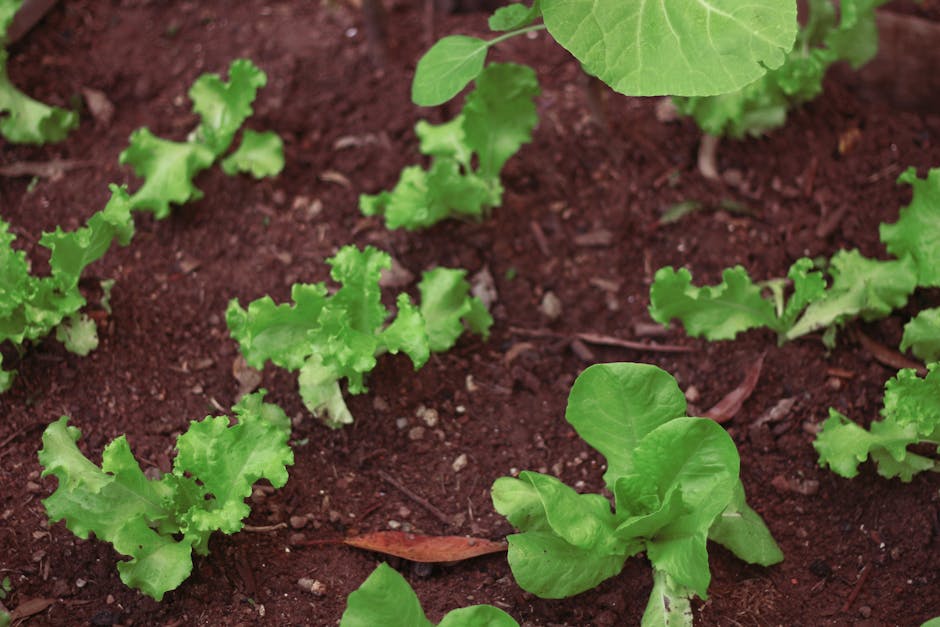
Vegetable bed setup insider tips from professional gardeners
If you have ever stood in front of a blank patch of soil and thought, "Right then, where do I even start?", you are in good company. A well-planned vegetable bed can make the difference between a frustrating patch of scrappy growth and a garden that quietly delivers week after week. The best vegetable bed setup insider tips from professional gardeners are not flashy. They are the small, sensible decisions made early: where the bed sits, how wide it is, what the soil feels like, how you water, and how you make access easy enough that you actually keep using it.
In practice, good bed setup is less about perfection and more about avoiding expensive mistakes. Get the foundations right and the rest becomes easier: sowing, planting, feeding, harvesting, even tidying up on a wet Saturday morning. This guide walks through the methods professionals rely on, the traps they avoid, and the simple checks that can save you a lot of grief later on.
Table of Contents
- Why vegetable bed setup matters
- How professional vegetable bed setup works
- Key benefits and practical advantages
- Who this is for and when it makes sense
- Step-by-step guidance
- Expert tips for better results
- Common mistakes to avoid
- Tools, resources and recommendations
- Law, compliance, standards and best practice
- Options, methods and comparison table
- Case study or real-world example
- Practical checklist
- Conclusion
- Frequently asked questions
Why Vegetable bed setup insider tips from professional gardeners Matters
Professional gardeners do not think of a vegetable bed as "just a raised rectangle of soil". They treat it like a working system. That sounds a bit grand, perhaps, but it is true. A bed affects root depth, drainage, warmth, weed pressure, pest access, watering habits, and how much physical effort you will need every time you garden.
The reason this matters is simple: most poor harvests are not caused by one dramatic failure. They are usually the result of a few small issues stacking up. A bed placed in the wrong light. Soil that compacts after one heavy rain. Rows that are too wide to reach without stepping in. Water that runs off one end instead of soaking in. None of that is glamorous, but it all adds up.
There is also a time factor. A properly set up bed is easier to maintain through spring growth, summer drying spells, and autumn clearing. You will notice the difference on the days when the weather is doing its usual British thing: a bit damp, a bit breezy, and not especially interested in your plans.
For gardeners with limited space, the setup becomes even more important. If you only have one or two beds, each square metre needs to work hard. That is why professionals focus so much on layout, soil structure, and access before they ever worry about what variety of tomato to plant.
Expert summary: The best vegetable beds are not the fanciest ones. They are the ones that balance sunlight, soil structure, access, and watering in a way you can keep up with all season.
How Vegetable bed setup insider tips from professional gardeners Works
The process starts with understanding the site, then shaping the bed to suit the site rather than forcing the site to suit the bed. That is the core difference between amateur and professional thinking. A pro looks at drainage, sun path, wind exposure, soil depth, and how much walking room is needed around the bed. Only after that do they decide whether the bed should be in-ground, raised, framed, or a hybrid of the two.
In a typical professional approach, the bed is built in layers of practicality. First comes positioning. Then soil preparation. Then edging or containment, if needed. Then the working layout: where paths sit, how wide the growing area should be, and whether irrigation or watering cans are the right fit. Finally, planting is matched to the bed type and the season.
This is where a lot of people get caught out. They buy compost, dig once, and plant immediately. Fine for a quick start, not ideal for long-term productivity. Good setup usually involves testing the structure of the soil with your hand, checking whether water disappears too quickly or lingers too long, and making sure the bed can be worked without compacting it.
Think of it like building a kitchen before cooking. You can absolutely cook in a chaotic kitchen, but why make things awkward from day one?
Key Benefits and Practical Advantages
A well-set vegetable bed gives you more than just a tidy look. It changes how the whole garden behaves.
- Better drainage: Roots stay healthier when excess water can move away instead of sitting around them.
- Warmer soil in spring: Raised or lightly mounded beds often warm faster, which helps early sowings establish.
- Less weed pressure: Defined beds are easier to mulch and maintain than loose, undefined ground.
- More efficient watering: Water can be directed where it is needed, rather than disappearing into paths and borders.
- Improved access: Well-sized beds reduce trampling and make regular maintenance much easier.
- Higher productivity: Healthy roots, good spacing, and easier care usually mean better cropping over time.
There is a quieter benefit too: confidence. Once your bed setup feels solid, you are less likely to second-guess every planting decision. You stop worrying about whether the soil is "good enough" and start making steady, sensible choices.
That matters, because gardening works best when you are relaxed enough to observe. You see the leaves curling before a problem gets worse. You notice the soil drying faster near the edge. You catch slugs early, before they have a party on your lettuce. A good bed helps you notice these things sooner.
Who This Is For and When It Makes Sense
This approach is useful for almost anyone growing vegetables, but it is especially helpful if you fall into one of these groups:
- Beginners who want a reliable first setup and do not want to waste a season learning the hard way.
- Allotment gardeners who need to make every bed count and want practical layout decisions.
- Homeowners with small gardens where space is tight and bed shape matters.
- Families who want easy access, clear paths, and low-fuss maintenance.
- Older gardeners or anyone with mobility concerns who benefit from raised or easier-to-reach beds.
- Experienced growers who are refining productivity, rotation, or soil health.
It also makes sense if you have had mixed results before. Maybe your brassicas keep sulking, or your carrots never seem to get going, or the bed becomes a muddy mess after rain. That is often a setup issue, not a "bad gardener" issue. Truth be told, the bed itself may be doing half the damage.
If you are managing a larger site or want help planning a more efficient garden layout, it can be worth looking at pricing and quotes before you decide whether to tackle everything yourself or bring in support.
Step-by-Step Guidance
1. Choose the right location
Start with sunlight. Most vegetables need a fair amount of direct light, so pick the sunniest workable spot you have. If the garden has awkward shade, think about how the sun moves through the day. A bed that looks bright at 9 a.m. may be in shadow by lunchtime. Annoying, yes. Common, also yes.
Good drainage matters just as much. If the area puddles after rain, you may need a raised bed or at least some surface improvement before planting. Avoid low points where water lingers unless you are specifically growing moisture-loving crops.
2. Map the bed size before you dig
Professional gardeners like beds that are easy to reach from both sides. A common mistake is making them too wide because it looks efficient on paper. Then you end up leaning, stretching, and stepping into the bed, which compacts the soil and quietly reduces performance.
A practical width is one that lets you reach the middle comfortably from the path. Keep paths generous enough that you can walk with a wheelbarrow or a trug without twisting your ankle on a damp morning. Not all heroes wear boots, but you should probably wear boots.
3. Check the soil structure
Take a handful of soil and feel it. Does it crumble lightly, or does it form a sticky lump? Is it sandy and fast-draining, or heavy and slow to drain? This tells you how much organic matter, grit, or compost improvement you may need.
Gardeners often talk about "friable" soil. That simply means soil that breaks apart easily and allows roots, air, and water to move through it. For most vegetables, that is the sweet spot.
4. Improve the bed before planting
Work in well-rotted organic matter where needed. Compost is the usual starting point because it improves structure and helps hold moisture without turning the bed soggy. Do not overdo it in one go if your soil is already rich; too much of a good thing can create lush leaves and weak root growth, depending on the crop.
If the bed is being framed, make sure the sides are sound and the depth is enough for the vegetables you want to grow. Deep-rooted crops like carrots and parsnips need a more forgiving profile than shallow leafy salads.
5. Plan crop groupings
Put crops with similar needs together. For example, thirsty leafy crops can share a bed section with frequent watering, while tougher roots can sit in a different zone. This is far easier than mixing everything randomly and hoping for the best. Hope is lovely, but not a soil strategy.
Also think about height. Tall crops should not shade everything else unless that is your intention. If you are planting peas, beans, or sweetcorn, position them so they support the bed rather than dominate it.
6. Add a watering plan
Watering is one of the most overlooked parts of bed setup. Many gardeners only realise this after a heat spell, when the top layer looks fine but the root zone is bone dry. Drip irrigation, soaker hoses, or even a disciplined hand-watering routine can work, but the key is consistency.
Water at the base, not over the leaves, whenever possible. Early morning is often best because it reduces evaporation and gives plants time to dry off before evening.
7. Mulch and maintain
Once planted, mulch around crops to conserve moisture and suppress weeds. Then keep an eye on the bed edges, because weeds love the edges. They are sneaky like that. Regular little checks beat one heroic weeding session every six weeks.
Expert Tips for Better Results
The following are the kinds of details professionals tend to remember because they have seen what happens when people forget them.
- Do not step on the growing area: Build beds so you can reach everything from the path. Soil structure matters more than people realise.
- Use edges to your advantage: Raised edges can help contain soil, slow erosion, and define the working space cleanly.
- Separate hungry crops from modest feeders: Brassicas and tomatoes often need different feeding approaches from beans or salads.
- Think in seasons, not just beds: A bed can carry early lettuce, then summer beans, then winter greens if you plan ahead.
- Label everything: Once a bed gets going, seedlings can blur together fast. A small label saves confusion later.
- Make maintenance friction-free: Keep tools close, paths clear, and water access easy. If it is annoying to do, you will do it less.
Here is a quiet insider truth: many professional gardeners spend more time on layout than on planting. Not because planting is unimportant, but because layout makes every later job easier. That is the part that pays off month after month.
If sustainability matters to you, it is also worth thinking about the materials and waste stream from the start. For example, choosing durable edging, reusing clean organic matter where suitable, and handling garden waste responsibly all make a difference. You can explore the organisation's approach through recycling and sustainability.
Common Mistakes to Avoid
Professional gardeners see the same mistakes again and again. Most are easy to avoid once you know what to look for.
Making the bed too wide
This is probably the most common one. A bed that looks efficient on paper becomes awkward in real life. If you cannot reach the middle comfortably, you will eventually lean in, compress the soil, and damage the structure.
Ignoring drainage
Vegetables hate wet feet for long periods. If the ground holds water, the roots may struggle, and disease risk can increase. It is better to correct the site before planting than to blame the crop later.
Using poor-quality fill
Not all "topsoil" is equal. Some mixes are too heavy, too sandy, or full of debris. A bed should be built with purpose, not just filled with whatever happened to be cheapest that week.
Forgetting crop rotation
Growing the same family in the same spot repeatedly can build pest and disease problems over time. It is smarter to rotate families around the bed structure where possible.
Overcrowding seedlings
Seed packets can be optimistic. Very optimistic. If you plant everything too closely, airflow suffers, disease pressure rises, and crops compete in ways that reduce yield.
Skipping a maintenance plan
A beautifully built bed still needs attention. A few minutes here and there is usually better than one huge rescue mission later.
Tools, Resources and Recommendations
You do not need a warehouse of gear to set up a productive vegetable bed, but a few tools make the job much easier.
- Spade or garden fork: For turning, loosening, and improving soil structure.
- Hand trowel: Useful for planting, transplanting, and detail work.
- Rake: Helps level the surface and remove debris before sowing.
- Watering can or hose attachment: Choose something that delivers water steadily and gently.
- Compost bucket or trug: Handy for moving materials without endless back and forth.
- Measuring tape: Surprisingly useful when laying out bed width and path spacing.
- Labels and marker: Simple, but worth their weight in gold once seedlings appear.
If you are comparing support options, think beyond the initial setup. Ask whether you need help with soil preparation, ongoing maintenance, or one-off correction of a problem bed. Sometimes a small intervention early on prevents a bigger headache later. For service details and wider company information, the about us page is a useful place to start.
If you are planning work on a property and want to understand the company's approach to safety and responsibility, it is also sensible to review the health and safety policy and insurance and safety information.
Law, Compliance, Standards and Best Practice
Vegetable bed setup is not usually a highly regulated activity in the way some trades are, but best practice still matters. In the UK, the main issues are practical rather than bureaucratic: safe use of tools, sensible handling of materials, tidy working areas, and care around access routes if work is being done for a client or in a shared space.
If you are hiring help, it is reasonable to ask how waste is handled, whether the work will be insured, and what happens if access is awkward or the site has hidden issues. That is not being difficult. That is being prudent.
For anyone working on a managed property, communal area, or larger domestic garden, a few standards of good practice are worth keeping in mind:
- Keep paths clear and safe while work is in progress.
- Store tools responsibly, especially where children or pets may be nearby.
- Dispose of green waste and packaging properly.
- Choose materials that are stable, durable, and suitable for outdoor use.
- Communicate any site limitations clearly before work starts.
If you are arranging paid work, make sure the service terms, payment process, and expectations are clear. You can review terms and conditions and payment and security information before proceeding. For readers who want to understand how enquiries are handled or what happens if a job is not quite right, the complaints procedure is also useful.
Finally, if you care about privacy, cookies, or accessibility, those policies matter too. They are not glamorous, fair enough, but they help build trust and set the right expectations.
Options, Methods and Comparison Table
There is no single perfect bed type. The right choice depends on your soil, budget, and how much maintenance you want to take on.
| Bed type | Best for | Strengths | Limitations |
|---|---|---|---|
| In-ground bed | Existing good soil and larger plots | Low cost, natural look, easy to expand | Can be slower to improve, more vulnerable to compaction |
| Raised framed bed | Poor soil, drainage issues, neat layouts | Warmth, structure, easier access, clear boundaries | Material cost, may dry out faster |
| Mounded bed | Temporary or flexible growing areas | Good drainage, quick to create | Less formal, may need reshaping |
| Keyhole-style bed | Small spaces and intensive growing | Efficient access, good use of space | Can be fiddly to build and maintain |
In many domestic gardens, a raised or semi-raised bed gives the best balance of control and usability. In larger plots with naturally good soil, in-ground beds can be excellent and less expensive to maintain over time. The "best" option is the one that fits your reality, not your Pinterest board.
Case Study or Real-World Example
A typical example: a narrow back garden with a strip of lawn and a patch that stays damp after rain. The owner wants to grow salad leaves, beans, carrots, and a few herbs. The first instinct is to make one large bed along the fence. On paper it sounds efficient. In reality, it would be awkward to reach and prone to poor airflow near the fence line.
A more professional setup would split the space into two narrower beds with a central path. One bed could be improved for leaf crops and beans, while the other is kept lighter and deeper for root vegetables. A small water butt nearby, a defined compost area, and clear access for tools would make the whole space easier to live with. Nothing flashy. Just sensible planning.
What usually happens then? The owner starts using the space more often because it feels manageable. That is the real win. A vegetable bed is only valuable if you actually enjoy tending it, and if you do not mind going out there after work when the air is cool and the soil still holds the scent of rain.
Practical Checklist
Use this checklist before you plant:
- Choose the sunniest practical spot.
- Check drainage after rain.
- Measure bed width so you can reach the centre easily.
- Leave enough path space for comfortable movement.
- Test the soil feel by hand.
- Add compost or organic matter where needed.
- Decide whether the bed should be in-ground, raised, or mounded.
- Plan crop placement by height, water needs, and season.
- Set up a simple watering routine.
- Mulch exposed soil once planting is established.
- Label crops clearly.
- Review safety, waste handling, and payment details if hiring help.
If you are planning a larger job or want a cleaner, more efficient result from the start, it is worth making initial enquiries through contact us. A quick conversation can save a lot of backtracking later on.
Conclusion
The best vegetable bed setup insider tips from professional gardeners all come back to the same idea: make the bed easy to use, easy to maintain, and suited to the site you actually have. Sun, soil, access, drainage, and layout matter more than fancy features. Get those right and your vegetables have a proper chance to thrive.
You do not need a perfect garden. You need a workable one. And once the first bed is set up well, everything else becomes a little less daunting. A little easier. A little more enjoyable, too.
Get a free quote today and see how much you can save.
Frequently Asked Questions
What is the ideal width for a vegetable bed?
The ideal width is one that lets you reach the centre comfortably from the path without stepping into the bed. Many gardeners find narrower beds far easier to manage long-term than oversized ones.
Should vegetable beds be raised or in the ground?
Raised beds work well for poor soil, drainage issues, and easier access. In-ground beds are often better if you already have decent soil and want a lower-cost option. Either can work well if the setup suits the site.
How deep should a vegetable bed be?
Depth depends on the crops you want to grow. Leafy crops need less depth than root vegetables. As a practical rule, deeper beds give you more flexibility, especially if your existing soil is compacted or shallow.
What soil is best for vegetable beds?
Most vegetables do best in fertile, well-drained, friable soil with plenty of organic matter. The soil should hold moisture without becoming waterlogged and should crumble rather than clump heavily.
How do professionals improve poor soil quickly?
They usually add well-rotted compost or organic matter, improve drainage if needed, and avoid overworking the soil when it is wet. Quick fixes exist, but the best results still come from steady improvement rather than one dramatic dig-over.
When is the best time to set up a vegetable bed?
Autumn and early spring are often practical times because soil can be improved before peak planting. That said, bed setup can happen whenever conditions are workable and the ground is not waterlogged.
Do I need a frame for a vegetable bed?
No, not always. Frames help contain soil, tidy the layout, and improve access, but a good in-ground bed can be just as productive. It depends on the site, budget, and how polished you want the finish to be.
How do I stop weeds in a vegetable bed?
Use mulch, keep paths clear, remove weeds early, and avoid leaving bare soil exposed for long periods. A good setup reduces weed pressure from the start, which makes maintenance much easier.
Can I grow vegetables in a small London garden?
Yes, absolutely. Small gardens often benefit most from careful bed planning because every bit of space counts. Narrow beds, efficient paths, and thoughtful crop placement can produce a lot more than people expect.
How often should a vegetable bed be watered?
There is no single schedule that fits every garden. The best approach is to water when the soil starts to dry below the surface, then water deeply enough to reach the root zone rather than just wetting the top.
What should I ask before hiring someone to help set up a bed?
Ask about experience, materials, safety, waste handling, insurance, timing, and how the final bed will be maintained. It is also sensible to confirm pricing and expectations in advance so everyone is on the same page.
Where can I learn more about the company behind this guidance?
You can review the about us page for background, or check the site's trust and policy pages such as privacy policy and accessibility statement if you want to understand how the service is presented and managed.